


Middle East conflict is reaching a boiling point. Iran shot down two American military jets this week. US leaders promise a massive retaliation against Iranian infrastructure. Global nations are scrambling to reopen the Strait of Hormuz. This geopolitical storm brings severe economic risks for American audiences.
Table Of Content
Escalation in the Gulf
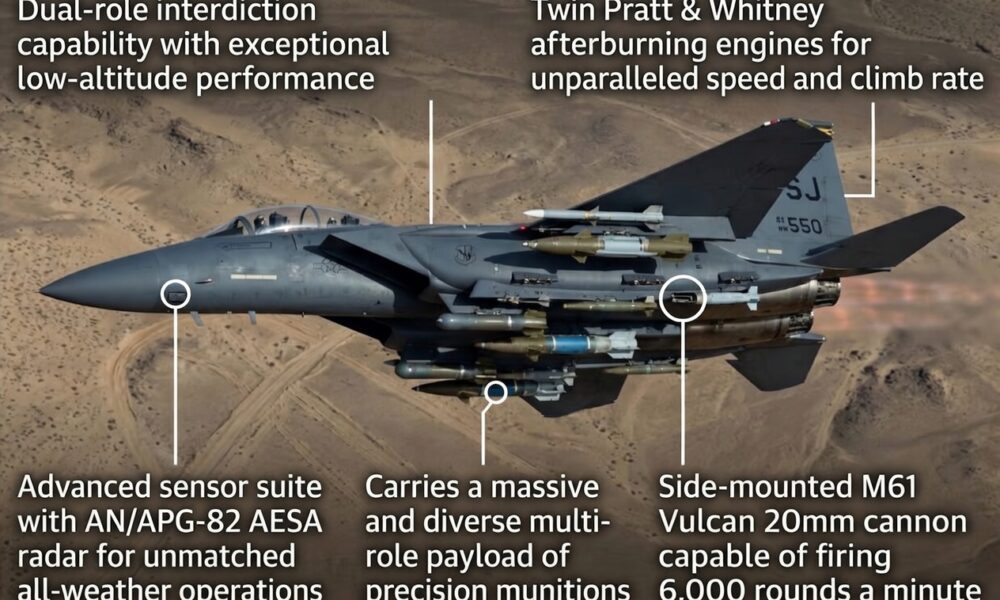
The battlefield dynamics are shifting rapidly. Iran successfully targeted a US A-10 aircraft over the Persian Gulf. Another F-15 fighter crashed in southwestern Iran. Rescue teams bravely recovered one downed US crew member. These losses represent a significant moment for the US Armed Forces. Iran continues to show defiance.
Iranian forces did maintain hidden stockpiles of weapons so far. They regularly launch missiles at Israel and neighboring Gulf nations. The United States military is adjusting its regional posture. Multiple American bases in the Middle East sustained damage from missile strikes. The Pentagon is dispersing troops for safety. The risk to U.S. service members remains extremely high.
Washington Promises Retaliation
President Donald Trump issued a fierce warning. Washington vows to target critical Iranian infrastructure next. The administration plans to destroy Iranian bridges. American forces will also target electric power plants.
Previous American strikes focused on smaller facilities. This new strategy aims at the heart of the Iranian economy. President Trump demands total victory. He considers the Iranian threat nearly eliminated. However, Iranian officials dismiss these statements completely. They call previous American strikes insignificant. The war of words matches the physical destruction.
Strait of Hormuz
The Strait of Hormuz is a vital global artery. Iran currently holds a dangerous chokehold over this waterway. This blockade threatens world energy supplies immensely. The economic fallout reaches far beyond the Middle East. Thirty nations are currently meeting. They want to secure safe navigation through the Strait.
The United Nations will vote on a crucial measure soon. The resolution authorizes all defensive means for shipping protection. President Trump urged oil-dependent countries to take action. He told allied nations to build courage. He wants them to secure their own oil forcefully.
Israeli Operations
Israel continues its own relentless military campaign. Prime Minister Benjamin Netanyahu announced a major victory. Israeli air strikes caused massive industrial damage.
Destroyed nearly 70 percent of Iranian steel production capacity. This destruction severely limits Iranian weapons manufacturing.
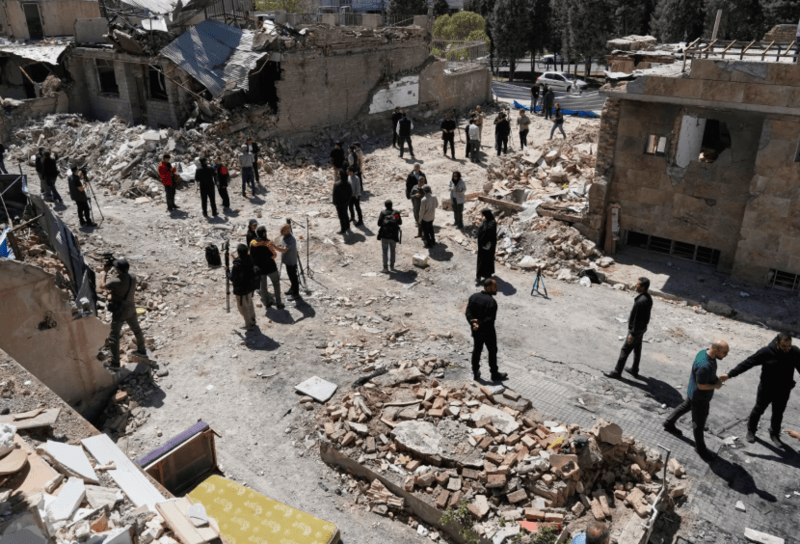
A nation cannot build missiles without steel. This industrial sabotage is the beating heart of strategy. The Israeli military is systematically dismantling enemy capabilities. They also struck infrastructure in Lebanon. The regional war is expanding on multiple fronts. The human cost is rising daily.
Economic Impact
This overseas war hits American wallets directly. Global stock markets are reacting nervously. The conflict is driving up prices for crude oil. Natural gas prices are also surging rapidly. American consumers will soon face higher costs at the gas pump. The cost of food might increase soon.
The global supply chain faces another severe stress test. The situation creates massive uncertainty for investors. Oil prices will not return to normal immediately. The war must end first. Even a ceasefire might not stabilize markets quickly. American businesses are preparing for a volatile financial quarter.
The war is escalating rapidly, and global markets are shaking. Energy costs are soaring higher, so American consumers must prepare for expensive gasoline. Although the United Nations plans a vote, immediate relief for oil prices remains unlikely.
Political Reactions
The American political landscape is reacting to the crisis. Lawmakers are debating the best course of action. Prominent political figures hold differing views on the conflict. Some leaders demand a more aggressive military approach. Others worry about a prolonged regional war.
The administration recently asked the Army Chief of Staff to step down. Department of Justice is also undergoing leadership changes. These domestic shifts complicate the war effort. A unified government is essential during wartime.
Human Toll and Regional Chaos
The war is causing terrible human suffering. Over one thousand people died in Lebanon alone. More than one million citizens are displaced from their homes. Air raid sirens sound constantly in major cities. Water infrastructure sustained damage in Israeli cities like Bnei Brak.
The daily lives of millions are completely disrupted. The international community struggles to provide humanitarian aid. The delivery of food and medicine is incredibly dangerous. Hospitals in the region face overwhelming pressure. The scale of destruction is historic.
Ahead
The coming weeks are critical for global stability. The United States faces a difficult military challenge. American forces must secure the Gulf region. They must also protect international shipping lanes.
Destruction of Iranian infrastructure will likely intensify. Iran will probably retaliate with more missile barrages. Diplomatic solutions seem completely absent right now. The international community watches the escalating violence closely. This war is reshaping the entire Middle East. The consequences will last for decades.







No Comment! Be the first one.