


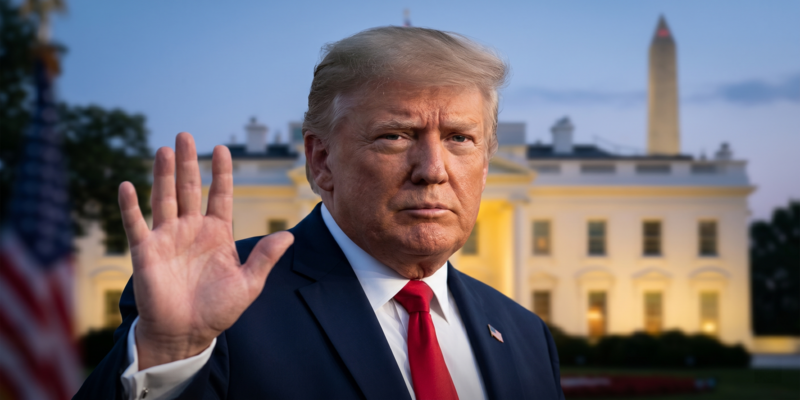
The world woke up to a harsh reality this Monday, May 11, 2026. The optimism that surrounded the potential for a swift resolution to the ongoing US-Iran conflict has hit a massive roadblock. In a move that immediately sent shockwaves through global financial and energy markets, US President Donald Trump unequivocally rejected Iran’s latest response to a proposed peace deal, describing it on his Truth Social platform as “totally unacceptable.”
Table Of Content
What does this diplomatic breakdown mean for the rest of us? The implications stretch far beyond the political corridors of Washington and Tehran. They reach right into our gas tanks, our investment portfolios, and the overall stability of the global economy.
The Stumbling Block: Uranium and Sanctions
The core of the disagreement centers around Iran’s nuclear capabilities and frozen financial assets. According to international reports, Iran’s counter-proposal facilitated through Pakistani mediators—involved an offer to transfer a portion of its highly enriched uranium stockpile to a third country. However, Tehran firmly refused the US demand to dismantle its nuclear facilities entirely. Furthermore, Iran insisted on the release of its assets held in foreign banks and a definitive end to the US naval blockade of its ports.
For the US administration, this was a non-starter. President Trump has maintained that while he views Iran as “militarily defeated,” the nuclear threat must be neutralized completely. He emphasized that the US is closely monitoring Iran’s nuclear sites and warned of immediate military action if those sites become active.
Netanyahu Weighs In on the Nuclear Threat
Adding another layer of complexity to the situation, Israeli Prime Minister Benjamin Netanyahu publicly asserted that the war cannot be considered truly over until Iran’s enriched uranium is physically removed from the country. In a television interview that aired on Sunday evening, Netanyahu claimed that President Trump shares this objective, stating, “There’s still nuclear material… that has to be taken out of Iran.”
Netanyahu’s hardline stance underscores the fragile nature of the current situation. While a tenuous ceasefire implemented in April has largely held, the rhetoric from all sides suggests that the underlying issues are far from resolved, keeping the region on a knife’s edge.
The Economic Fallout: A Squeeze on the Global Economy
While diplomats argue over terms, the global economy is feeling the very real sting of this conflict. The most immediate and tangible impact is the continued disruption of shipping in the Strait of Hormuz—one of the world’s most critical oil transit chokepoints.
Following the news of the stalled peace talks, global markets reacted with predictable anxiety. Brent crude oil prices surged past $105 per barrel in early Monday trading, while the US dollar strengthened as investors sought a safe haven. European bond yields also climbed, reflecting fears that sustained high energy prices could force central banks, including the European Central Bank, to adopt aggressive interest rate hikes to combat energy-driven inflation.
The situation in the Strait of Hormuz is becoming increasingly precarious. Iran has warned that any deployment of French or British warships to the region would be met with a “decisive and immediate response.” The UK and France are scheduled to host a meeting of defense ministers from over 40 nations on Tuesday to discuss securing the strait, highlighting the international community’s growing panic over energy security.
What Happens Next?
As we navigate this uncertain landscape, the focus shifts to the potential for further escalation. The failure to secure a diplomatic breakthrough not only prolongs the geopolitical tension but also heightens the risk of a broader economic crisis.
For the everyday consumer, the immediate concern is the price of fuel and goods. The longer the Strait of Hormuz remains contested, the more likely we are to see sustained high costs of living. This conflict is a stark reminder of how interconnected our modern world truly is, where a breakdown in communication thousands of miles away can directly impact household budgets around the globe. As the week unfolds, the world will be watching closely to see if back-channel diplomacy can salvage the peace process before the economic consequences become irreversible.






No Comment! Be the first one.