


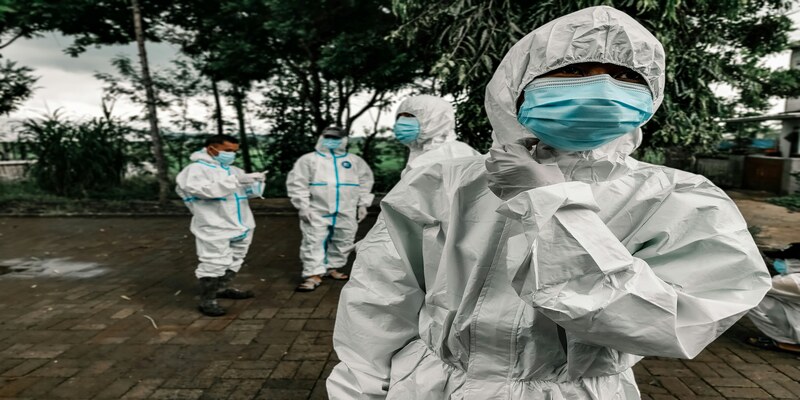
The Democratic Republic of Congo faces a new and dangerous outbreak, confirmed cases nearly doubled in just a few days. The World Health Organization chief visited the hardest-hit area on Saturday. Medical experts call the rapid spread of the virus deeply alarming.
Table Of Content
Congo is fighting its seventeenth Ebola outbreak. This event involves the rare Bundibugyo virus. The virus causes severe illness in humans. Patients first get a sudden fever. They also suffer from extreme tiredness and muscle pain.
A Rare and Deadly Virus Strain
Later, they experience vomiting and diarrhea. Some people suffer dangerous internal bleeding. Symptoms appear between two and twenty-one days after exposure. There is no approved vaccine for the Bundibugyo strain. Doctors also lack a specific medicine to cure it.
The disease kills about one-third of infected people, and the death rate can sometimes reach fifty percent. The virus spreads through direct contact with body fluids. People catch it by touching blood or sweat from a sick person. Bedding and clothes can also carry the virus.
Unprecedented Rise in Infections
The medical group Doctors Without Borders shared a serious warning. The group reported an unprecedented spread of the virus. New suspected cases appear every single day. Officials count more than one thousand suspected cases in Congo. They report at least 246 deaths in the country.
The health ministry confirmed 225 cases by Friday. The virus infected sixteen healthcare workers. The disease crossed national borders very quickly. Uganda reported nine confirmed cases and one death. A Ugandan driver caught the virus after transporting a patient.
A sick Congolese woman also traveled to Uganda for medical care. A health worker from the United States caught the virus in Congo. He traveled to Germany for specialized medical care. Another suspected case appeared in Brazil. A man traveled from Congo to Sao Paulo. Doctors put him in strict isolation.
WHO on the Ground
Dr. Tedros Adhanom Ghebreyesus leads the World Health Organization. He flew into the city of Bunia. Bunia is the capital of Ituri province. This region is the absolute center of the current outbreak. Tedros went there to check the emergency response.
He wants to help solve the local challenges. He met directly with local community members. He urged them to take charge of the fight. Tedros trusts the local knowledge of daily problems. Local people understand the best solutions.
He asked families to change their funeral traditions. Touching the dead body of an Ebola victim is very dangerous. These traditional rituals spread the virus. Families must avoid touching bodies to save lives.
Conflict Slows the Medical Response
Health teams face huge problems in eastern Congo. The area suffers from years of armed conflict. Rebel groups and militias hide in the region. The M23 rebel group controls major cities nearby. These fighters attack medical staff and health centers.
Violence makes it incredibly hard to treat sick people. Local anger causes even more trouble. Strict health rules clash with traditional customs. Families want to bury their loved ones in the usual way. Health workers stop them to prevent infection.
This creates massive fear and anger. Some angry crowds attacked medical buildings. These attacks slow down the entire response. Health teams listed over two thousand exposed contacts. Tracking them remains very difficult.
Progress in Testing and Aid
Medical workers made some good progress recently. They opened a new testing lab in Bunia. Doctors used to send blood samples to the capital city. The capital is over nine hundred miles away. That process caused deadly delays.
International aid is finally arriving. The European Union sent important medical supplies. The United States promised more than 112 million dollars for the response. East African health ministers held a special meeting. They promised seven million dollars for prevention efforts.
However, overall global health funding has dropped. The Africa Centres for Disease Control reported a massive drop in total funding. They need more money to stop the virus.
Border Closures and Travel Bans
Neighboring countries remain on high alert. Uganda shut its border with Congo for four weeks. Rwanda also closed its borders. The United States blocked travelers from affected areas. A court in Kenya stopped a plan for an American quarantine center.
The World Health Organization does not support these travel bans. Tedros called border closures completely ineffective. These bans hurt the local economy. They also discourage countries from sharing honest health data. The health agency asks nations to keep borders open.







No Comment! Be the first one.