



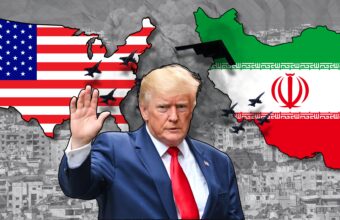
Washington is bracing for a monumental fiscal battle as President Donald Trump officially submitted a sweeping $1.5 trillion military spending budget to Congress today. The request, which marks one of the largest single-year defense authorizations in American history, is being positioned by the administration as an absolute necessity in the face of the rapidly deteriorating security situation in the Middle East and shifting global power dynamics.
The proposed budget allocates massive capital toward next-generation aerial dominance, expanded naval presence in contested waterways, and a significant acceleration of autonomous weapons systems. Administration officials argue that the downing of American aircraft and threats to international shipping lanes necessitate a posture of overwhelming deterrence. However, the sheer scale of the $1.5 trillion price tag has drawn immediate scrutiny from fiscal conservatives concerned about the national debt, as well as progressive lawmakers advocating for domestic investment.
Complicating the legislative landscape is a highly controversial trade measure bundled into the administration’s broader economic strategy: a proposed 100% tariff on specific imported medical drugs. The White House claims this aggressive tariff is designed to forcefully onshore pharmaceutical manufacturing and break reliance on foreign supply chains.
Healthcare advocates and trade experts have warned that the immediate implementation of such tariffs could lead to catastrophic drug shortages and price spikes for life-saving medications before domestic production can catch up. The dual shock of a trillion-dollar defense bill and a radical overhaul of pharmaceutical trade policy ensures that the coming weeks on Capitol Hill will be some of the most contentious in recent memory.






No Comment! Be the first one.