


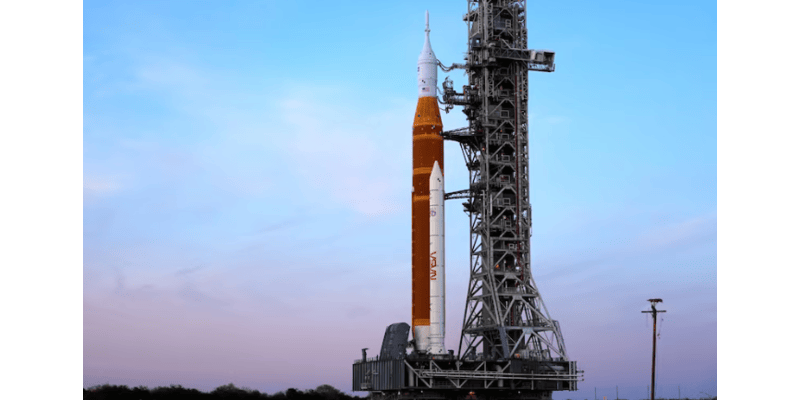
History is officially unfolding on the launchpad this week. For the first time since the legendary Apollo 17 mission in 1972, a dedicated crew of human beings has boarded a spacecraft destined for the Moon.
The highly anticipated Artemis II moon mission has reached its final major milestone before liftoff, capturing the attention of stargazers and space enthusiasts worldwide.
The Next Era of Deep Space Exploration
The astronauts selected for the Artemis II mission have officially strapped into the Orion capsule. This crucial step is part of a rigorous testing phase to ensure every system is perfectly calibrated before the actual launch.
The mission itself is designed to send the crew on a multi-day flyby around the lunar surface. It will test the absolute limits of modern spaceflight, focusing heavily on:
- The spacecraft’s advanced life-support systems.
- Deep-space communication arrays.
- Complex orbital navigation capabilities.
- Safe re-entry protocols for the eventual return to Earth.
Why Artemis II Matters
“This isn’t just a nostalgic return to the Moon; it is the vital next step for a sustained human presence in deep space,” space agency officials noted during a recent press briefing.
Crowds are already gathering in the tens of thousands along the Florida Space Coast. They are eager to witness the earth-shaking roar of the massive Space Launch System (SLS) rocket the most powerful launch vehicle ever built.
If this lunar flyby is successful, it will serve as the definitive proving ground for the upcoming Artemis III mission. That subsequent flight aims to finally put human boots back on the lunar dust, paving the way for future habitats on the Moon and, eventually, crewed missions to Mars. For now, all eyes remain glued to the launchpad as humanity takes its next giant leap.







No Comment! Be the first one.