


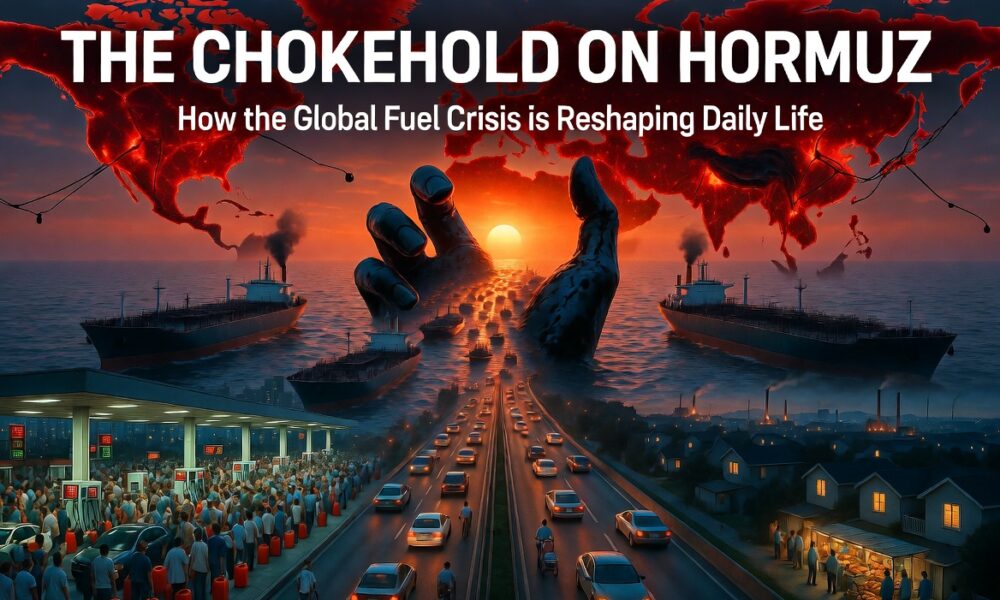
The global economy is currently navigating one of the most severe energy shocks in modern history, as ongoing geopolitical disruptions in the Strait of Hormuz continue to choke off vital shipping lanes. With millions of barrels of crude oil effectively landlocked or facing perilous transit routes, the ripple effects have hit international markets with brute force, sending pump prices skyrocketing and forcing governments into drastic, unprecedented mitigation strategies.
In South Asia, the crisis has prompted immediate and severe austerity measures. Bangladesh has implemented strict fuel rationing protocols across the board. In a drastic move to conserve national reserves, the government has mandated a 30% reduction in fuel usage for all state-owned vehicles. The energy conservation efforts have even extended into the education sector, with several major universities temporarily shutting down physical campuses and reverting to remote learning models to reduce commuting and campus power consumption. Authorities are urging the public to carpool and utilize public transit, though the strain on infrastructure is palpable.
Neighboring Pakistan has taken a radically different approach to the same crisis. In an attempt to prevent economic paralysis and public outcry over the steep hike in fuel prices, the Pakistani government announced a heavily subsidized, effectively free public transportation initiative in major metropolitan areas. While the move has been praised for keeping the workforce mobile, economists are raising red flags regarding the long-term sustainability of the program against the backdrop of a widening national deficit.
Market analysts predict that unless a diplomatic or security breakthrough clears the Strait of Hormuz in the coming weeks, these emergency measures could become long-term realities. Industries reliant on heavy logistics, from agriculture to retail, are already passing the increased freight costs onto consumers, setting the stage for a potential spike in global inflation.


No Comment! Be the first one.