


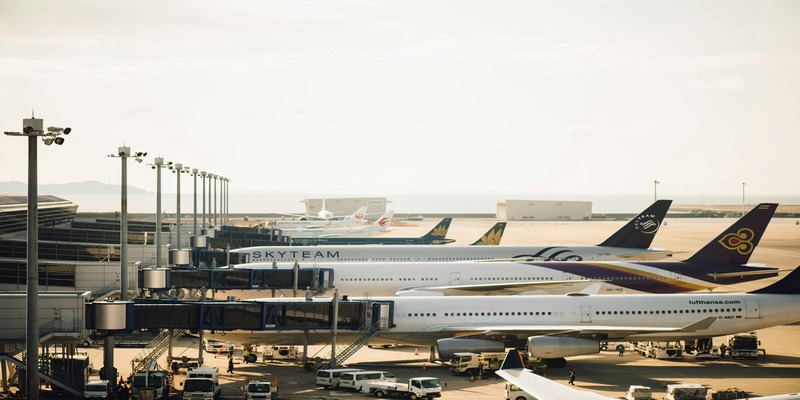
Global aviation sector faces a difficult summer season. Airlines will cancel flights weeks in advance. A severe jet fuel shortage threatens international travel. Carriers will merge schedules to conserve limited resources. This proactive strategy secures summer holiday plans. Passengers receive rebookings instead of sudden gate cancellations.
Table Of Content
The Threat of Dry Tanks
The International Energy Agency predicts massive shortages by June. Europe relies heavily on these specific oil imports.
The United Kingdom depends on foreign jet fuel. The nation imports roughly 65 percent of its supply. Middle Eastern refineries usually provide the bulk. Supply routes require immediate and drastic changes. The country now buys more fuel from the United States. West Africa also provides additional cargo ships.
Four domestic UK refineries must maximize output. Transport Secretary Heidi Alexander monitors the fuel reserves. The government monitors the fuel supply, and airlines prepare for schedule cuts. Current fuel levels remain adequate for daily operations. However, future supply shocks seem unavoidable.
New Rules for Airport Slots
Major hubs like Heathrow and Gatwick use strict rules. Airlines must operate 80 percent of their scheduled flights. A failure means losing the lucrative landing slot. Competitors eagerly snatch up these abandoned times. Premium slots trade for tens of millions of pounds. Carriers historically flew empty ghost flights to protect them.
New regulations fix this wasteful industry practice. Airport Coordination Limited introduced a temporary waiver. Airlines can hand back flights without severe penalties. They keep the slot rights for the following year. This encourages early and responsible schedule adjustments. Parliament will pass a statutory instrument shortly. A brief public consultation happens this week.
Prioritizing Summer Holidays
Travel journalist Simon Calder explained the strategy clearly. He used German carrier Lufthansa as a prime example. Lufthansa operates ten daily flights between Heathrow and Frankfurt. Business travelers normally fill these specific planes. The airline can comfortably cancel two daily services. Passengers switch easily from an early flight to mid-morning.
This strategy directly protects popular leisure destinations. Many holiday routes lack multiple daily options. A flight to a Greek island represents a scarce resource. Carriers will prioritize these vacation flights entirely. Holidaymakers face much lower risks of cancellation.
Airlines UK publicly praised the government intervention. Chief Executive Tim Alderslade released a supportive statement. The plan helps carriers avoid totally unnecessary flying. Operations remain incredibly efficient during the crisis. Early planning saves money for the entire sector.
Fuel Types and Infrastructure
Officials explore creative ways to boost inventory. They might approve a different aviation fuel standard. British airlines legally must use Jet A1 fuel. This specific blend features a lower freezing point. American carriers use a slightly different product called Jet A.
The government wants to import Jet A safely. High global demand makes this task difficult. UK airport pipelines need special handling procedures. The transition requires careful safety reviews. Shadow Transport Secretary Richard Holden criticized the current vulnerability. He blamed poor national energy security policies.
Passenger Rights and Payouts
Flight cancellations automatically trigger strong consumer protections. Airlines must provide clear support to stranded travelers. Customers legally deserve alternative flights or total refunds. Carriers must pay for hotel rooms during overnight delays. Companies also face strict financial compensation penalties.
Airlines hate paying these expensive delay penalties. Industry leaders want the fuel crisis declared an extraordinary circumstance. This legal label completely eliminates financial payout rules. The UK government rejects this specific industry plea. Passengers deserve timely updates, but some travelers might face unexpected delays.
The European Commission views the problem differently. EU regulators might grant airlines a vital exemption. Carriers must prove the exact cause of disruption. The fuel shortage must be the sole reason. Airlines must also demonstrate extensive preventative measures.






No Comment! Be the first one.