


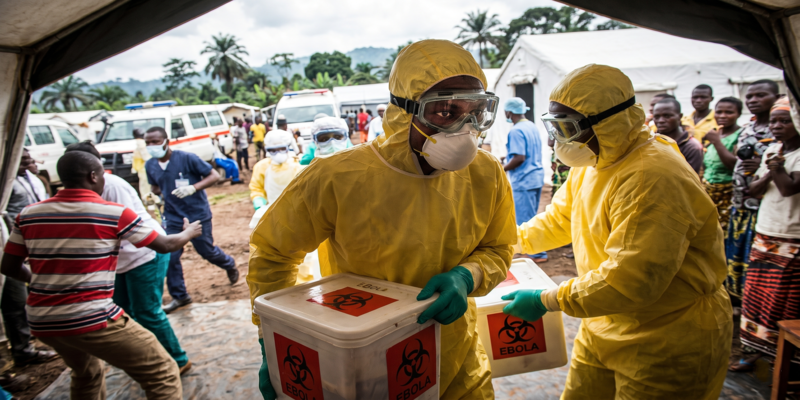
A lethal new outbreak of the Ebola virus in the Democratic Republic of Congo (DRC) has triggered mounting alarm across the global health community. The highly infectious disease, known for causing severe hemorrhagic fever and carrying a devastating mortality rate, has claimed dozens of lives in just a few weeks. The rapid spread is prompting a coordinated international response as authorities scramble to contain the virus.
Frontline Struggles and Medical Supply Shortages
The sudden spike in DRC Ebola cases is putting extreme pressure on local healthcare infrastructure, which was already vulnerable due to chronic underfunding and regional instability. Frontline medical workers in the affected provinces are facing a dire, breaking-point situation.
Reports from local clinics highlight critical shortages of essential survival and containment supplies, including:
- Intravenous (IV) fluids for patient hydration.
- Specialized isolation tents to quarantine the infected.
- Personal Protective Equipment (PPE) to protect doctors and nurses from the blood-borne pathogen.
International Response and Vaccine Deployment
Because the sheer speed of transmission has outpaced local containment efforts, international health organizations have declared a high-level emergency. The World Health Organization (WHO) and Doctors Without Borders are rapidly deploying emergency response teams to the hardest-hit rural areas to establish secure treatment centers.
In response to the escalating crisis, the United States CDC and international allies are initiating emergency protocols.
- Evacuation and Relocation: Logistical operations are underway to safely relocate non-essential diplomatic personnel out of high-risk zones.
- Contact Tracing: Specialized epidemiologists are reinforcing local surveillance networks to track exposure in remote communities.
- Ring Vaccination: Global health networks are rushing to deploy stockpiles of the rVSV-ZEBOV Ebola vaccine, inoculating those who have come into direct contact with confirmed patients.
Navigating the complex supply chain to keep these vaccines at ultra-cold temperatures in tropical, off-grid environments remains a monumental challenge. International leaders are issuing urgent calls for sustained funding to prevent a devastating regional epidemic.




No Comment! Be the first one.