


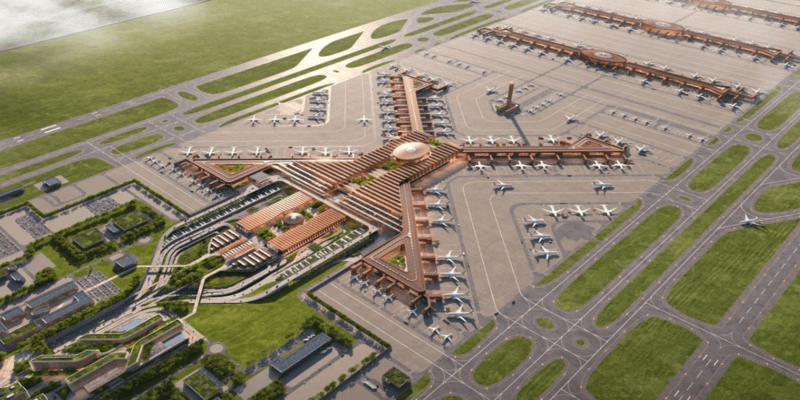
Ethiopia is building a massive new airport in the city of Bishoftu. The ambitious aviation project will cost an astounding $12.5 billion. This new transit hub will completely change air travel across the continent. The facility will proudly become the largest aviation infrastructure project in Africa’s history. Ethiopian Prime Minister Abiy Ahmed personally announced this historic initiative.
Table Of Content
A Massive Aviation Milestone
Construction work has already started on the sprawling project site. The massive new airport will officially open in the year 2030. The initial phase will feature two long concrete runways. The modern terminal will handle 60 million passengers every single year.
Planners want to greatly increase this passenger capacity later. The final completed design will serve a staggering 110 million annual travelers. This future passenger volume easily beats major global transit hubs. Atlanta’s famous Hartsfield-Jackson airport saw 106 million passengers last year.
The new Ethiopian facility will eventually surpass this impressive global number. The completed expansion project will feature four total operational runways. The vast parking area will hold 270 different commercial aircraft at once. The location sits just thirty miles southeast of the capital city of Addis Ababa.
Design and Sustainability Features
Zaha Hadid Architects will design the beautiful new airport terminal. This famous architectural firm previously created the lotus-shaped airport in Mumbai. The talented designers chose a unique X-shaped layout for this specific project.
The layout features beautiful semi-enclosed spaces and relaxing open courtyards. These specific design choices perfectly match the local temperate climate of Bishoftu. Cristiano Ceccato works as the director of aviation for the design firm. He wants to give travelers a true feeling of the local Ethiopian culture.
The modern global aviation industry creates high carbon emissions. Commercial flights account for two to three percent of global emissions. Planners desperately want to reduce this negative environmental impact.
The builders will use clean solar energy for facility power. Construction crews will use locally sourced materials for the building process. The expansive property will also feature a high-tech stormwater management system. Sustainability remains an absolutely essential goal for this modern development.
Financial Backing and Partnerships
State-owned Ethiopian Airlines is confidently leading the massive construction project. This famous company is the largest commercial carrier in all of Africa. The business leads the continent in fleet size and total annual passengers. The airline also earns the highest revenue among all African flight operators.
CEO Mesfin Tasew confirmed the massive financial commitment to the public. The airline will invest thirty percent of its equity into the construction. This direct investment covers a large portion of the initial building cost.
The airline requires billions of extra dollars, so it seeks international financial partners. Government leaders are currently talking with prominent officials from the United States. Ethiopian negotiators are also meeting with wealthy investor groups from China.
Representatives from Italy are joining these important financial discussions too. These international partners will hopefully provide the remaining $8 billion in project funds.
Solving Decades-Old Travel Problems
African travelers face a very frustrating logistical problem today. Many passengers cannot fly directly between major African cities. People must travel through London or Dubai just for basic connecting flights.
This old routing system wastes immense amounts of time and money. The Bishoftu airport project will finally solve this major continental transit issue. Because the new hub will improve regional connectivity, international trade will rapidly increase.
The completed project directly supports the African Continental Free Trade Area. Local businesses will ship commercial goods across international borders much faster. Rapid economic growth will likely follow this vastly improved transport connectivity.
Community Displacement Concerns
The new airport project faces major local criticism from nearby residents. Government planners took over 9,000 acres of prime agricultural land. Over 15,000 local Ethiopian residents must leave their ancestral family homes.
These displaced farming families need new permanent houses immediately. The sudden land seizure has created significant anger in the local community. Ethiopian Airlines quickly announced a $350 million local resettlement fund.
This money will provide vital new infrastructure for the displaced rural residents. The company promises to build strong homes with clean running water. The new residential communities will feature reliable electricity and modern health care facilities. Builders will also construct new educational schools for the local children.
The Future of African Travel
Some local residents remain very unhappy with the replacement housing options. Many affected locals want much better financial compensation for their lost farmland. Landry Signé works as an executive director at Arizona State University.
He studies global management and follows African economic developments closely. He strongly warns builders about these unresolved local community grievances. Angry local residents could potentially delay the entire construction timeline.
A significantly delayed project might easily scare away important foreign investors. The project carries huge financial risks, but the potential continental rewards are massive. Ethiopia wants to dominate the African aviation sector for many decades.
This $12.5 billion investment shows incredible national ambition and forward thinking. The completed Bishoftu hub will permanently reshape global flight maps. Travelers will finally experience seamless movement across the beautiful continent. Africa is boldly entering a modern new era of air travel.







No Comment! Be the first one.